Waterproofing Basements in Older Homes
People searching for waterproofing basements in older homes aim to prevent leaks and moisture issues, and local contractors can provide expert solutions to protect and preserve their basements.
Homeowners with older properties often face unique challenges when it comes to maintaining a dry and stable basement. If your older home has experienced signs of moisture, water intrusion, or uneven foundation issues, exploring waterproofing options can be a practical step toward protecting your investment. Local contractors specializing in basement waterproofing understand the specific needs of older homes and can offer solutions tailored to their construction and condition. Continuing to read can provide insights into common concerns and how experienced service providers can help safeguard your basement against future water problems.
Understanding the importance of waterproofing in older homes can help property owners make informed decisions about their basement’s health and longevity. Whether dealing with rising dampness, basement leaks, or foundation concerns, local service providers have the expertise to assess the situation and recommend effective waterproofing strategies. This information can serve as a helpful guide for those looking to preserve their home’s value and comfort, highlighting how professional waterproofing services can address the unique challenges faced by older properties.
- Waterproofing basements in older homes - homeowners noticing persistent moisture or leaks may seek local contractors to assess and implement effective waterproofing solutions.
- Waterproofing basements in older homes - when foundation cracks or water intrusion become evident, service providers often use specialized techniques suited for aging structures.
- Waterproofing basements in older homes - property owners planning renovations might contact local pros to ensure a dry and stable basement environment before upgrades.
- Waterproofing basements in older homes - in cases of rising damp or mold issues, local contractors can provide targeted waterproofing methods to mitigate ongoing moisture problems.
- Waterproofing basements in older homes - as part of long-term maintenance, homeowners may work with local service providers to reinforce aging foundations against water damage.
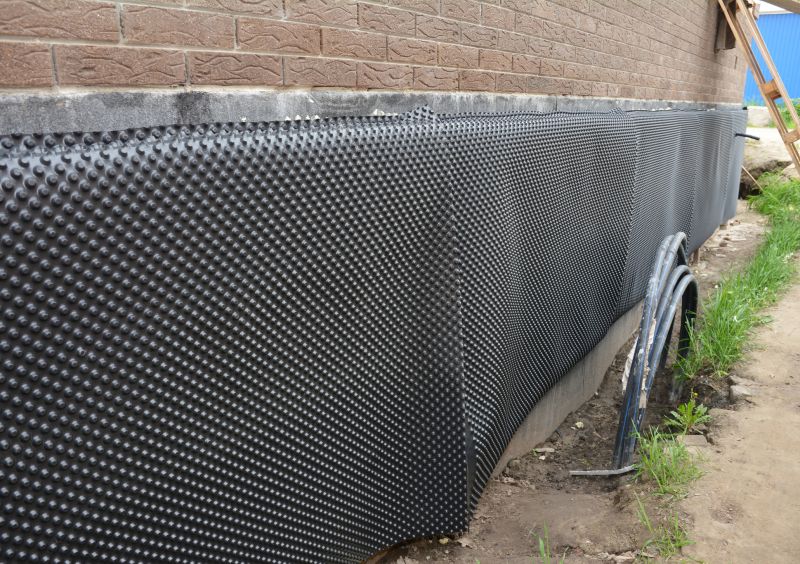
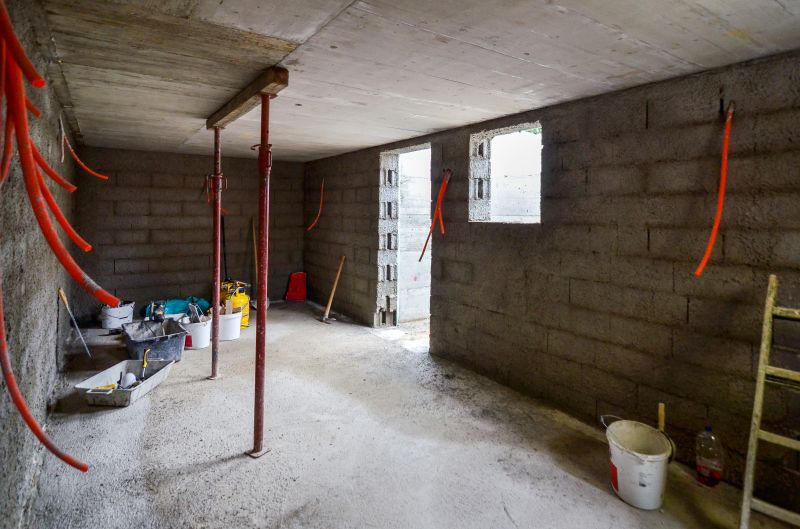
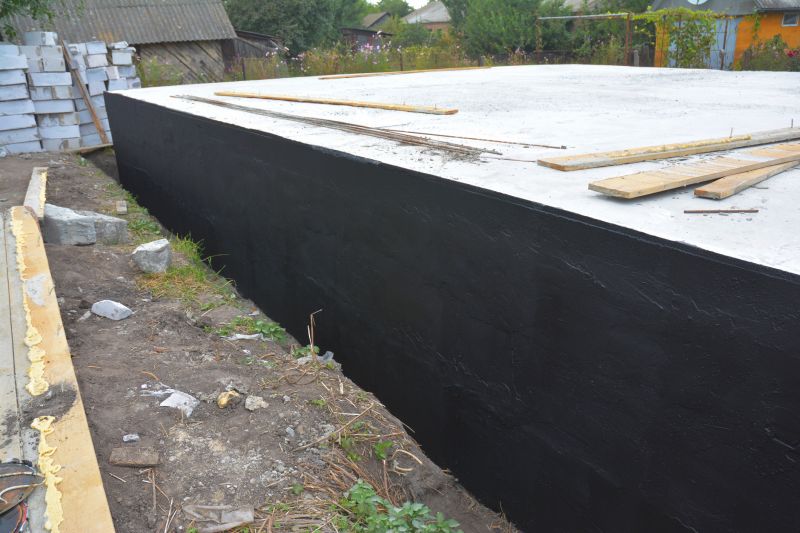
When homeowners search for waterproofing basements in older homes, they are often looking to address long-standing issues related to moisture, leaks, or flooding that have developed over the years. Many older properties were built before modern waterproofing techniques became common, resulting in vulnerabilities that can lead to water intrusion during heavy rains or seasonal changes. These searches typically stem from concerns about dampness, mold growth, or structural damage caused by water seepage. Homeowners may also be exploring preventative measures to protect their investment or planning renovations that involve finishing or remodeling the basement space.
The problems associated with waterproofing basements in older homes usually revolve around water infiltration, which can cause persistent dampness, musty odors, and even structural deterioration if left unaddressed. Common issues include cracked foundation walls, ineffective or aging exterior drainage systems, and inadequate sealing around windows or utility penetrations. Many property owners are also considering waterproofing as part of larger renovation projects, such as converting the basement into a living area or adding additional insulation. These plans often require a tailored approach that considers the existing foundation and the specific water challenges faced by older structures.
Properties that typically come up in discussions about waterproofing older homes are often single-family houses built several decades ago, especially those situated in areas prone to heavy rainfall or fluctuating water tables. These homes may have basements that were originally constructed without modern waterproofing methods, making them more susceptible to water issues over time. In addition, homes with visible signs of previous water intrusion, such as efflorescence or peeling paint, are common candidates for waterproofing services. Many of these properties are located in older neighborhoods where foundation conditions vary and require a careful, customized approach to waterproofing.
Local service providers who specialize in waterproofing basements in older homes play a crucial role in helping homeowners find effective solutions. These contractors understand the unique challenges that come with aging foundations and can recommend appropriate methods, such as interior or exterior waterproofing, sump pump installation, or foundation crack repair. They can also evaluate existing drainage systems and suggest improvements to prevent future water issues. Connecting with experienced local pros ensures that homeowners receive tailored, practical solutions that address their specific concerns, helping to protect their homes and improve basement functionality without unnecessary disruption.
Foundation Repair - foundation repair involves assessing and fixing structural issues that can lead to water intrusion, making it closely related to waterproofing basements in older homes.
Drainage System Installation - installing proper exterior or interior drainage systems helps prevent water from accumulating around basement walls, a key aspect of waterproofing projects.
Masonry Waterproofing - applying waterproof coatings or sealants to basement walls and foundations is a common service that complements waterproofing efforts in older homes.
Interior Waterproofing - interior sealing and sump pump installation are often part of waterproofing basements in older homes to manage existing moisture issues.
Foundation Insulation - insulating basement walls can work alongside waterproofing to improve moisture control and energy efficiency in older homes.
Waterproofing Membranes - applying waterproof membranes to basement walls provides a barrier against moisture, a skill used frequently in waterproofing projects for older homes.
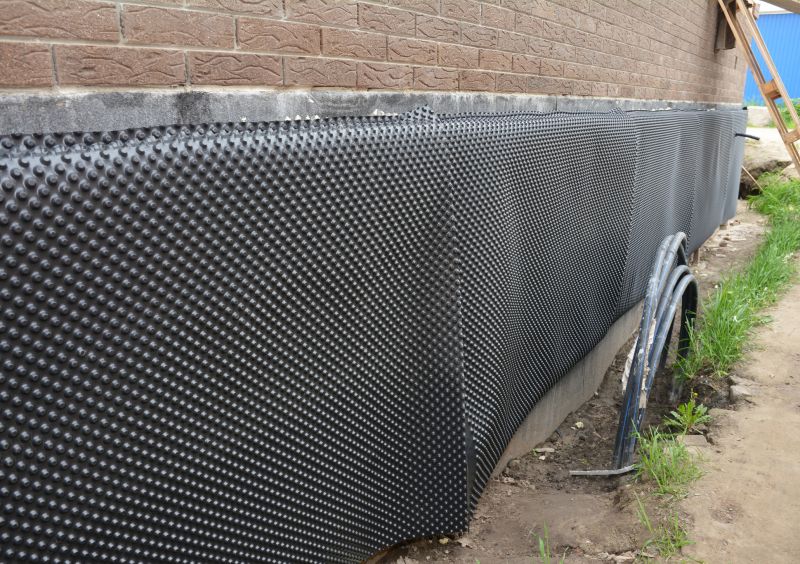
When evaluating service providers for waterproofing basements in older homes, it is important to consider their experience with similar projects. Older homes often present unique challenges, such as outdated foundation materials or existing structural issues, which require specialized knowledge and techniques. Contractors with a proven track record of successfully completing waterproofing projects in homes with comparable characteristics are more likely to understand the nuances involved and deliver results that address specific concerns effectively.
Clear written expectations are essential when choosing a basement waterproofing service. A reputable contractor should provide detailed descriptions of the proposed work, including the methods, materials, and scope of the project. This transparency helps homeowners understand what will be done and avoids misunderstandings or surprises later on. It is also beneficial to inquire about references or examples of past projects, particularly those involving older homes, to verify the contractor’s ability to handle the complexities of waterproofing in such structures.
Good communication is a key factor in a successful project. Service providers who are responsive, transparent, and willing to answer questions can help ensure that homeowners feel informed and confident throughout the process. Establishing clear lines of communication early on allows for ongoing updates and clarification, which can be especially valuable when dealing with the unique aspects of waterproofing in older homes. Ultimately, choosing a local contractor with relevant experience, well-defined expectations, and strong communication skills can make the process of waterproofing basements in older homes more straightforward and reliable.
Property owners often search for waterproofing basements in older homes when they are planning practical projects around their homes and businesses. Local pros provide Basement Waterproofing services for everyday jobs and straightforward project options.
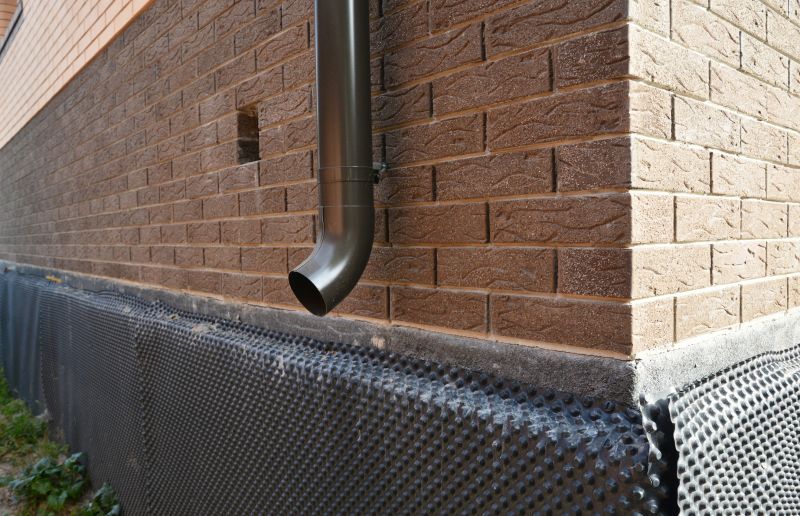
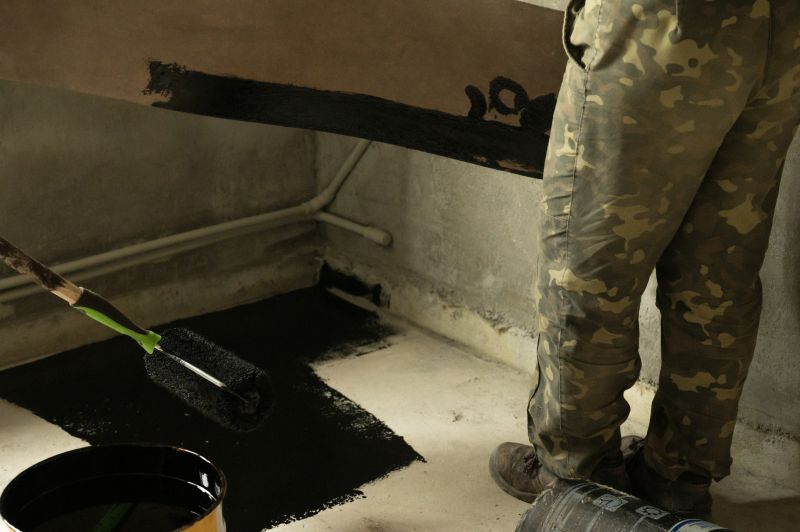
Homeowners exploring waterproofing basements in older homes often do so because they notice signs of moisture, such as damp walls, musty odors, or water stains after heavy rain. These common issues can lead property owners to seek solutions that protect their living space and preserve the home's structure. Local contractors experienced in basement waterproofing can assess the specific needs of older homes and recommend appropriate methods to prevent water intrusion, helping to maintain a dry and stable basement environment.
Many property owners turn to local service providers for basement waterproofing services when they want to address ongoing water problems or prepare their homes for future weather challenges. Older homes may require specialized attention due to aging foundations or outdated drainage systems, making professional expertise valuable. Connecting with local contractors ensures that the waterproofing work is tailored to the home's unique characteristics, providing peace of mind that the basement will stay dry and secure over time.
What are common methods used by contractors to waterproof basements in older homes? Local contractors often use techniques such as interior sealants, exterior drainage improvements, and sump pump installations to address waterproofing in older homes.
Can waterproofing solutions be tailored for older basement structures? Yes, experienced service providers assess the condition of older basements and recommend customized waterproofing strategies that suit the existing foundation and environment.
How do local contractors handle existing cracks or damage during waterproofing in older homes? Contractors typically seal cracks with specialized materials and may reinforce weak areas to prevent water intrusion as part of the waterproofing process.
Are there specific challenges when waterproofing basements in older homes? Challenges can include outdated foundation materials, limited access for repairs, and existing structural issues, which local pros are equipped to evaluate and address effectively.
What maintenance is recommended after waterproofing a basement in an older home? Service providers often advise regular inspections, proper drainage maintenance, and keeping gutters clear to ensure long-term waterproofing effectiveness.
Assessing basement leaks - Property owners can identify common sources of water intrusion in older homes and discuss these findings with local contractors to plan effective waterproofing solutions.
Applying sealants and coatings - Homeowners might prepare basement walls by applying sealants or waterproof coatings with guidance from local service providers to prevent moisture penetration.
Installing drainage systems - Planning for interior or exterior drainage solutions, such as sump pumps or French drains, can be coordinated with local pros to manage water flow and protect the basement.
Addressing foundation cracks - Detecting and sealing cracks in basement walls or floors can help prevent water entry and can be handled by local contractors experienced in older home waterproofing.
If you are thinking about waterproofing basements in older homes for a property, this guide is meant to help you understand this topic, the typical project types, and how different options might fit your plans.
When you are ready, you can use the quote form on this page to share a few details about your project. From there, local pros can review the basics and follow up with options that match what you have in mind.